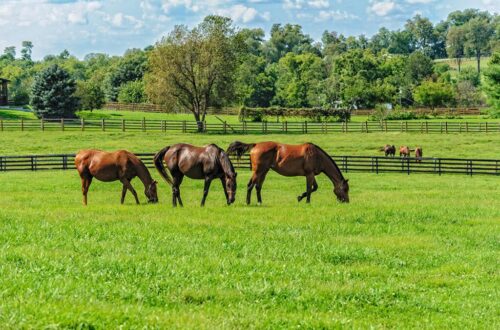
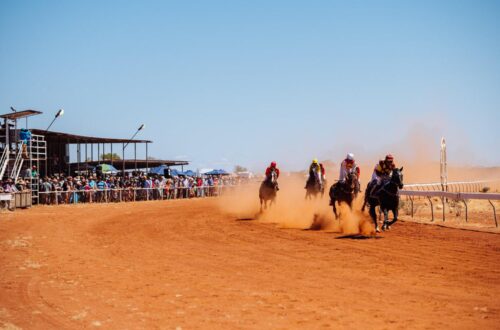
Few animals capture children’s imagination quite like horses. Their size, movement and personalities can inspire curiosity, whether a child encounters a pony at a farm, watches an equestrian performance or sees thoroughbreds competing at a racecourse.
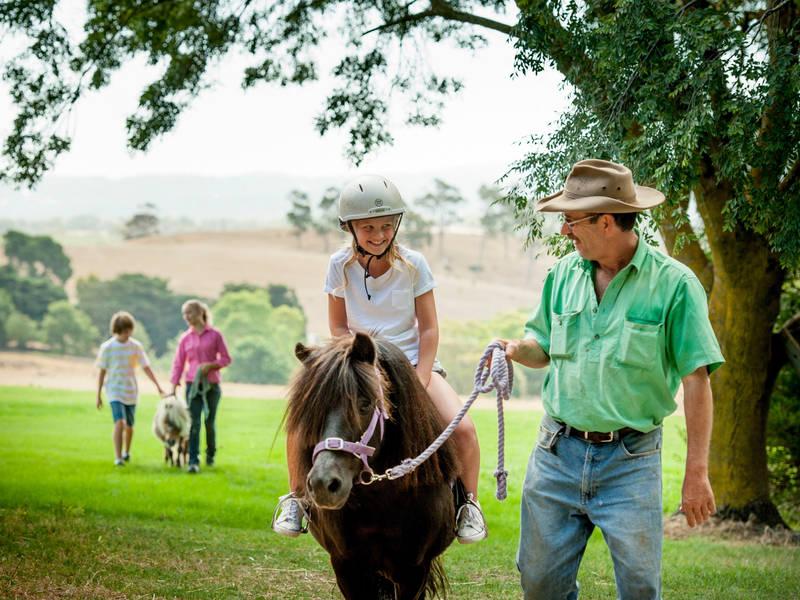
For parents, introducing children to horses can be an opportunity to encourage patience, confidence, respect for animals and an appreciation of the work involved in caring for them. The experience does not need to start with riding lessons. Sometimes, simply learning how horses live and behave is the best first step.
Begin With Curiosity, Not Riding
Children can discover the world of horses through books, documentaries, farm visits and authorised educational experiences. Learning the names of different horse breeds, understanding what horses eat and discovering how their daily routines work can make an encounter more meaningful.
A supervised visit to a suitable farm or equestrian centre may allow children to observe feeding routines, grooming demonstrations or basic horse care. Availability varies by venue, so parents should check the activities offered and the minimum age requirements before visiting.
For children interested in racing, a race-day experience can provide a starting point for discussing how horses are trained and prepared for competition. Parents can explain that the jockey is only one part of a larger team that includes trainers, stable staff, veterinarians and others responsible for the horse’s wellbeing.
The emphasis should be on understanding the animal rather than treating horses simply as sporting performers.
Teach Respect and Safety Early
Horses are powerful animals, even when they appear calm and friendly. A child should never approach an unfamiliar horse without permission and appropriate supervision.
Parents can establish a few essential rules:
- Stay with the responsible adult or authorised horse handler.
- Move calmly and listen carefully to instructions.
- Never feed a horse without permission, as some foods can be unsuitable.
- Avoid standing behind a horse or making sudden movements near it.
- Ask before touching the animal and follow the handler’s guidance.
Organised riding and pony-club activities should have appropriate supervision, suitable equipment and clear safety procedures. Pony Club organisations maintain rules and codes of conduct for participants, including requirements relating to equipment and the safe management of horses.
Horse Care Teaches Patience
Children may initially be interested in galloping horses and riding, but the everyday routines of horse care can be equally valuable lessons.
Horses need clean water, appropriate food, shelter, exercise and professional health care. Their needs cannot be ignored when the weather changes or when an owner becomes busy.
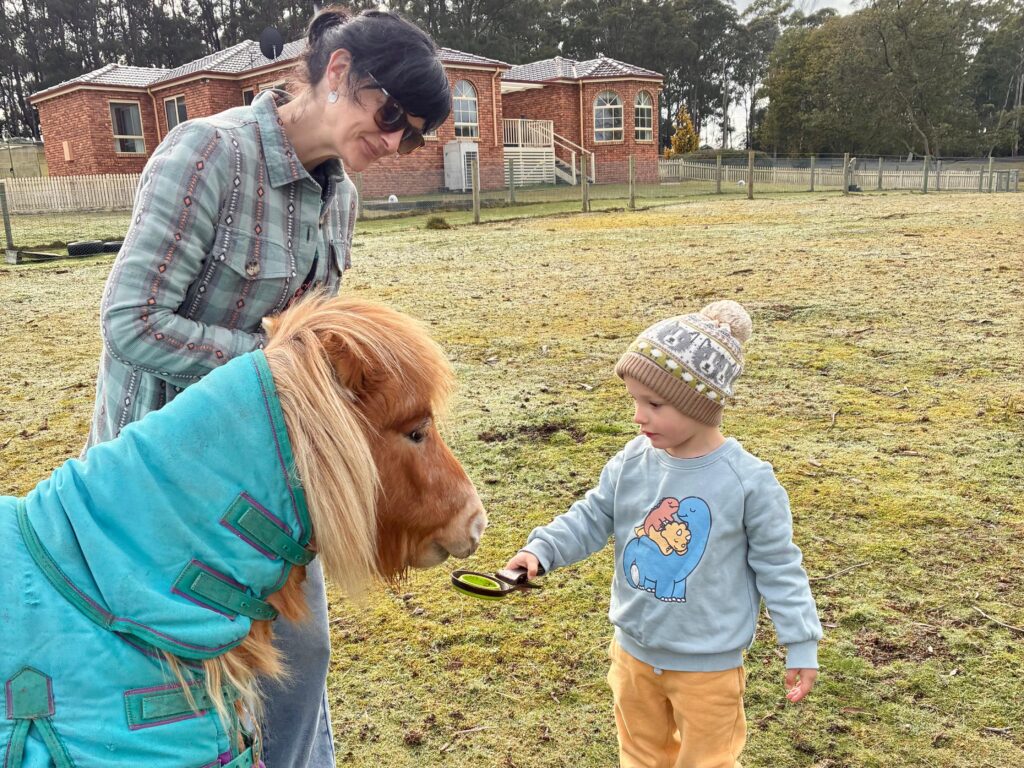
Age-appropriate demonstrations can help children see that caring for an animal requires consistency. A younger child might learn to identify grooming tools, while an older child could learn about nutrition, hoof care or the responsibilities involved in maintaining equipment.
Any hands-on activity should be supervised and suitable for the child’s age and confidence.
Racing Can Open the Door to a Bigger Story
For a family visiting a racecourse, the horses can prompt questions about speed, training, teamwork and animal welfare. Parents can explain the difference between observing a race and approaching horses in a controlled educational setting.
Where possible, look for officially organised horse-related experiences rather than trying to access restricted stable or training areas.
It is also important to discuss what happens to racehorses after their competitive careers. Responsible ownership includes planning for a horse’s longer-term care, whether that involves retraining, a new role or retirement suited to the individual animal.
Make the Experience Part of a Family Adventure
Horse-related activities can fit naturally into a weekend away. Families might combine a farm visit with a stay at a holiday park, explore a regional town or attend an authorised equestrian event.
The most successful introduction to horses is not necessarily the most expensive or elaborate. It is an experience that allows children to ask questions, feel comfortable and develop respect for the animal.
With good supervision and a focus on care, the fascination that begins with a pony or a passing racehorse can grow into a lifelong appreciation of horses and the people who look after them.