A child’s interest in horses can begin in many ways. Perhaps they spot a horse beside a country road, watch a race on television or see a pony at a local show. Before long, questions start appearing: What do horses eat? How fast can they run? Can every horse be ridden? Why do some horses compete while others live on farms?
For families looking to explore that curiosity, Australia offers several types of horse-related experiences. Pony clubs, educational farm visits and equestrian shows can help children discover the animals beyond the excitement of a race.
Pony Clubs: More Than Learning to Ride
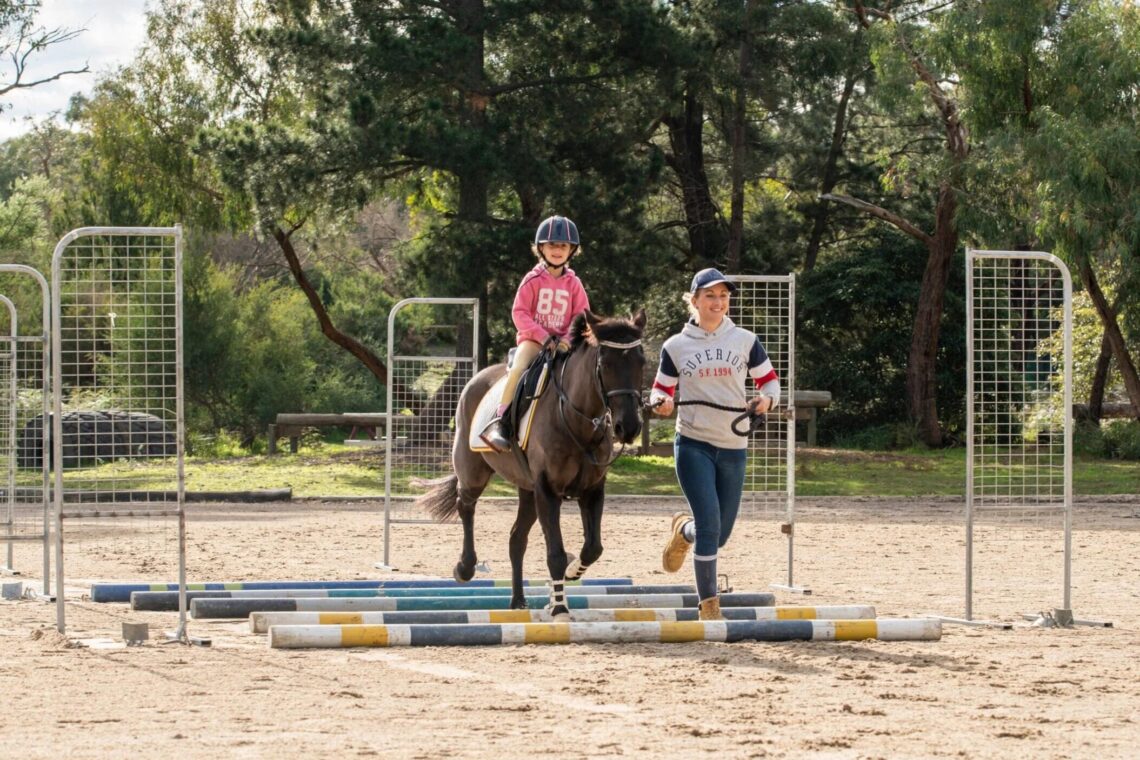
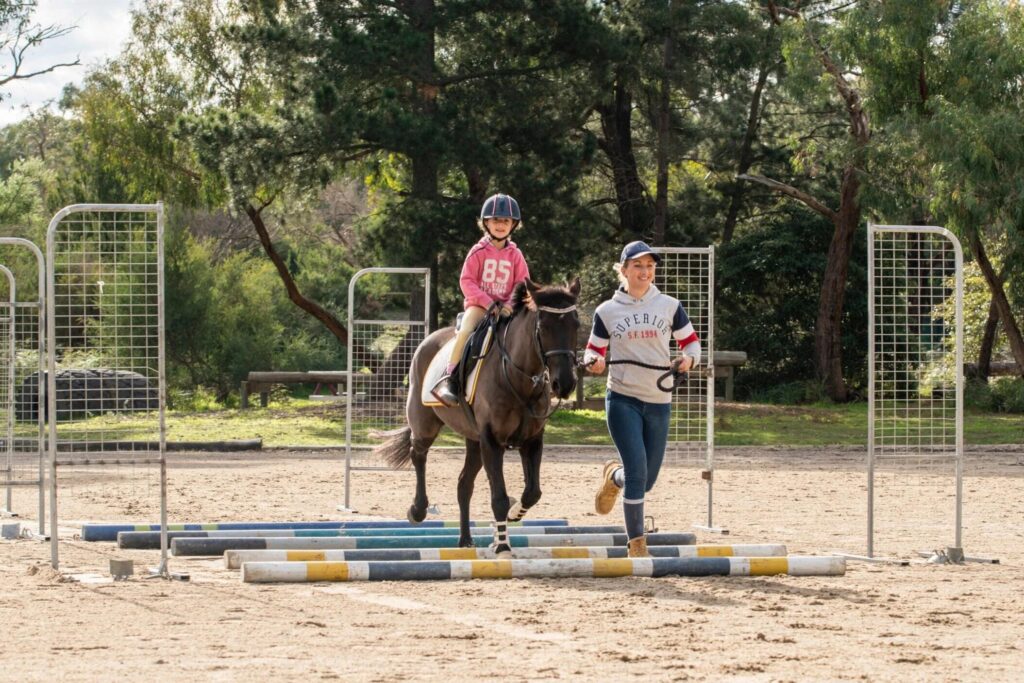
Pony clubs provide structured environments where young people can develop riding skills and learn about responsible horse management. Depending on the club and programme, activities may cover riding, horse care, equipment, stable routines and equestrian sports.
For children, this can be an introduction to the responsibility that comes with working around animals. Learning to prepare equipment, follow instructions and pay attention to a horse’s behaviour encourages patience and careful observation.
A child does not have to become a competitive rider to benefit from an introduction to horses. Families can investigate beginner-friendly programmes and ask local clubs about age requirements, equipment, supervision and opportunities for newcomers.
Safety should always come first. Australian pony-club organisations publish rules and guidance on appropriate equipment and participant conduct, reinforcing the importance of structured supervision in riding activities.
Parents should choose reputable providers and make sure any activity is appropriate for their child’s confidence and experience.
Farm Visits Bring Everyday Horse Care to Life
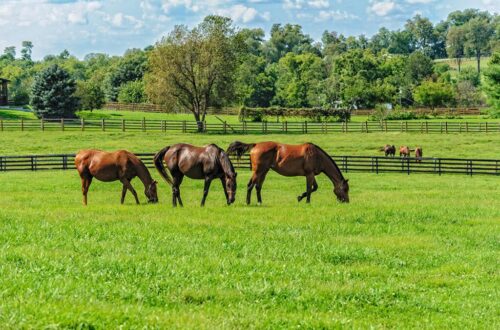
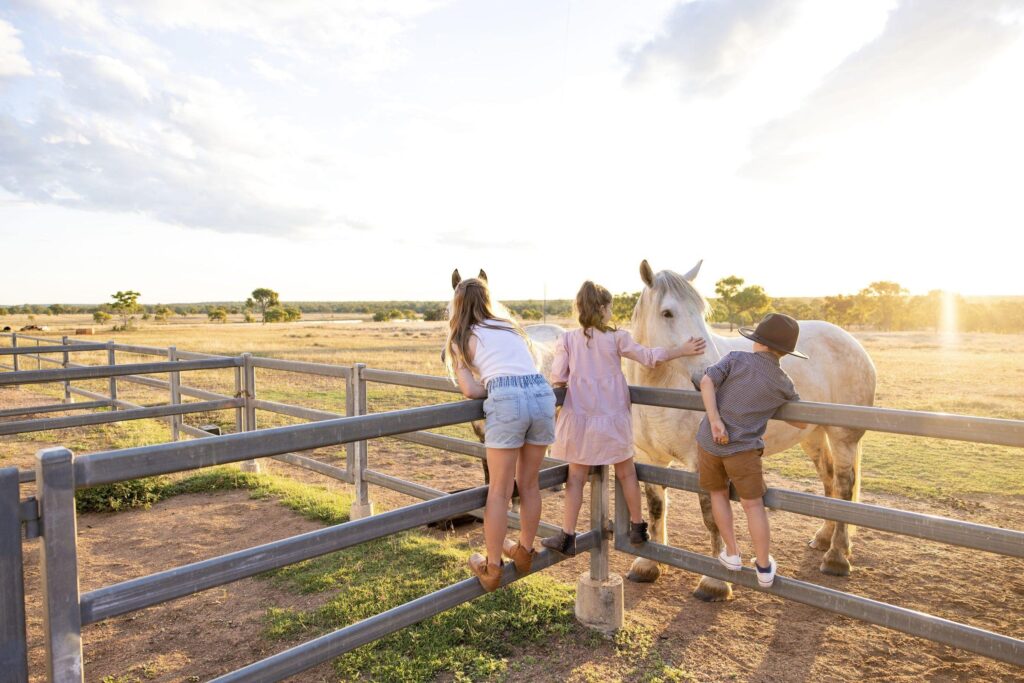
A farm visit can provide a different perspective. Instead of focusing on riding or competition, children may learn about feeding routines, grooming, pasture management and the time involved in looking after animals.
Some farms and equestrian centres offer guided visits or educational activities, while others operate as working properties and do not accept casual visitors. Always confirm that public visits are permitted before travelling.
Children can learn why horses need access to suitable food and clean water, how weather affects their care and why regular health checks matter. These lessons can help replace the idea that horses are simply animals to ride with a broader understanding of their needs.
Parents should also explain basic boundaries. Horses may react unexpectedly, so children must stay with their supervising adult and follow the instructions of the person responsible for the animal.
Equestrian Shows Offer a Different Kind of Spectacle
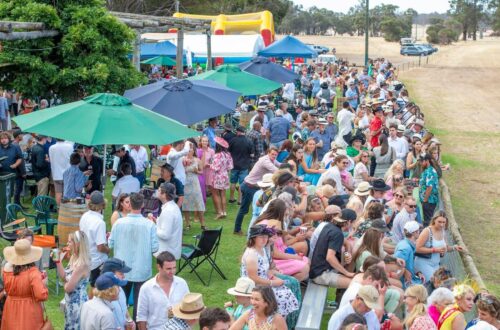
Equestrian events allow families to see horses performing in a variety of disciplines. Depending on the event, these might include show jumping, dressage, eventing, carriage driving or breed exhibitions.
Each discipline offers something different to observe. Show jumping highlights agility and coordination, while dressage demonstrates carefully trained movements. Breed exhibitions can introduce children to the variety of sizes, appearances and characteristics found among horses.
Before booking, check the event programme and whether there are opportunities for spectators to learn more about the horses and riders. Some events are primarily competitions, while others include demonstrations or displays intended for a broader audience.
Bringing Racing Into the Picture
For children who are fascinated by thoroughbred racing, these experiences can help build a fuller understanding of horses.
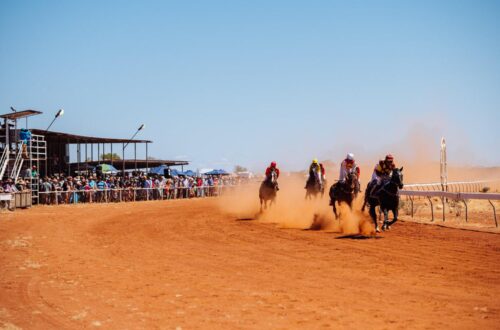
Watching a race introduces speed, strategy and competition. Visiting a suitable farm or attending an equestrian event can then help children understand the preparation, training and care that horses require outside competition.
Where racecourses offer authorised educational experiences, these can provide another perspective. Restricted working areas, stables and training facilities should never be entered without permission.
It is equally valuable to discuss horse welfare and the long-term responsibilities associated with ownership, including what happens when a horse is no longer competing.
Make It a Family Weekend
A horse-themed outing can easily become part of a short holiday. Choose an activity, find accommodation within a manageable driving distance and leave room to explore the surrounding region.
For families who enjoy camping or caravan travel, a holiday park may offer a relaxed base from which to visit farms, attractions and local towns.
The goal is not to fill every hour with activities. It is to provide children with an enjoyable opportunity to learn, ask questions and develop respect for animals.
Whether their first memorable experience involves riding a pony, watching a show-jumping round or learning about a horse’s daily care, the encounter may be the beginning of a lasting interest in the equestrian world.