The excitement of a horse race lasts only a few minutes, but a day at the racecourse can offer far more than the action on the track. For families, the wider experience can include food, live entertainment, colourful traditions, outdoor spaces and an opportunity to learn about one of Australia’s best-known sporting cultures.
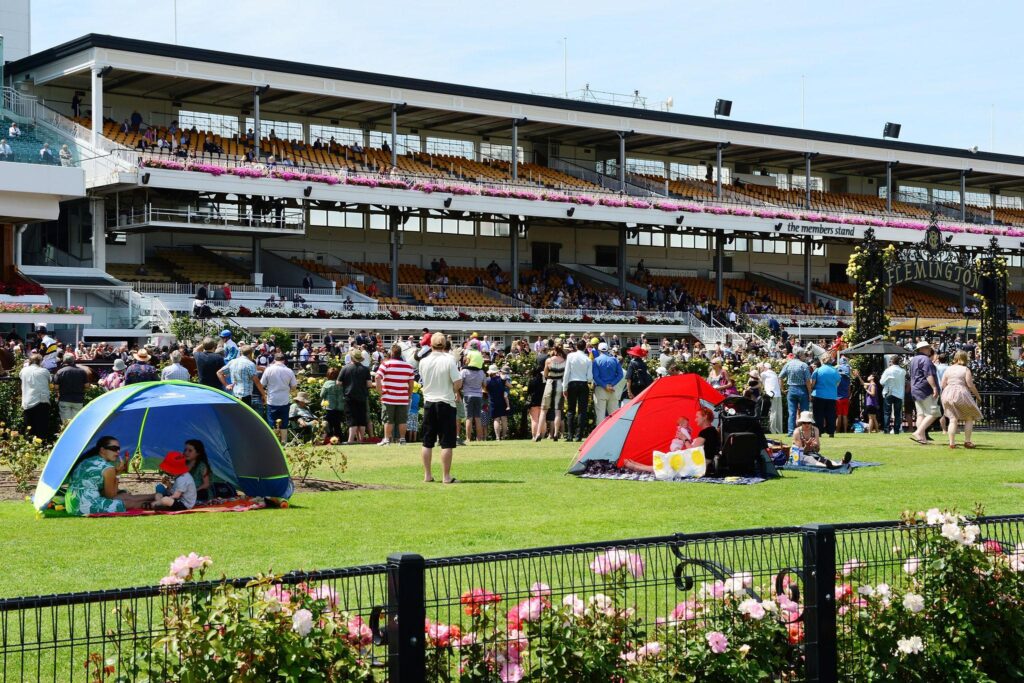
The key is choosing an event that matches the family’s interests rather than assuming every race day offers the same experience.
A Different Perspective on Racing
Horse racing brings together many elements that extend beyond the competition itself. Visitors may see horses being prepared for a race, learn about the roles of jockeys and trainers, and observe the organisation required to run a major sporting event.
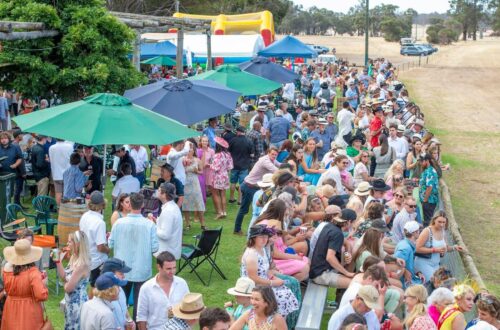
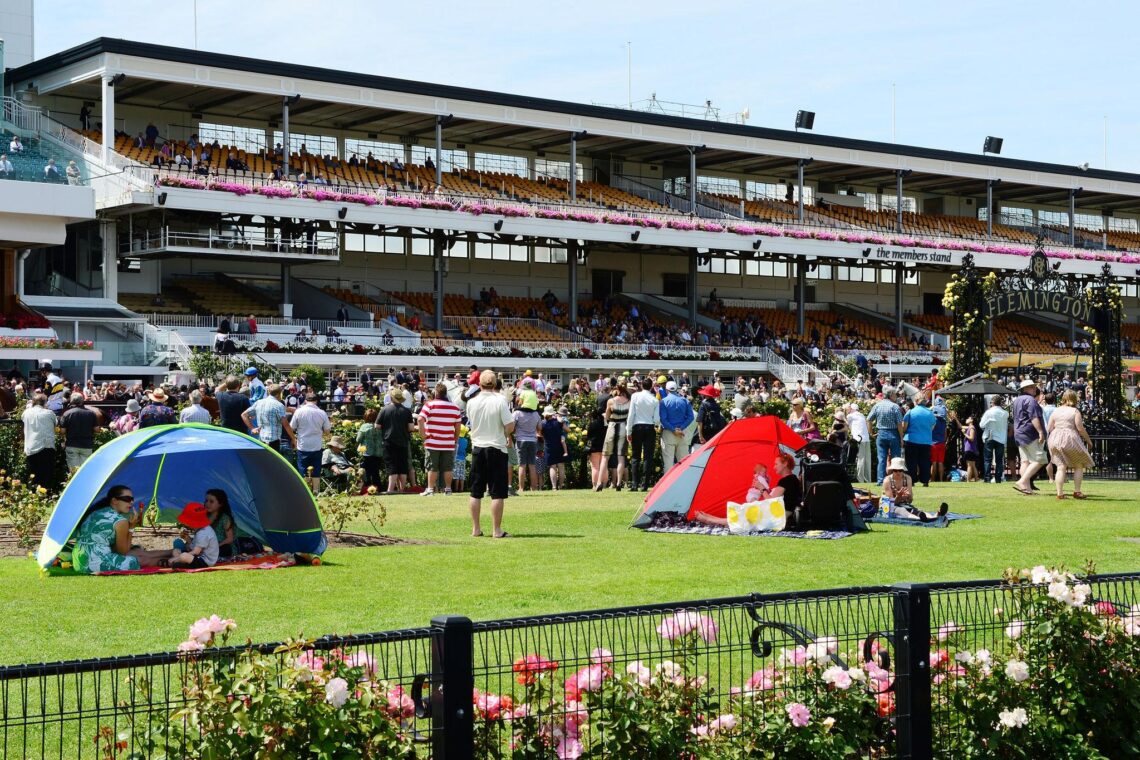
At metropolitan meetings, race days can feel like festivals, with food vendors, fashion events and live performances. The Victoria Racing Club’s published information for the 2026 Melbourne Cup Carnival, for example, highlights racing, live entertainment, food options and family-friendly activities. Exact arrangements vary by day and ticket type.
For children, these features can make racing easier to understand. Instead of concentrating entirely on who finishes first, families can explore the event as a collection of experiences.
Making Room for the Whole Family
A successful day out starts with realistic expectations. Younger children may have limited patience for a long day spent watching races, while older children might enjoy the atmosphere, horses and sporting traditions.
Planning a few simple activities can make a difference. Read about the racecourse before visiting, identify suitable places to eat and agree on a meeting point in case family members become separated. Check whether the event offers dedicated children’s activities and whether those activities require advance booking.
Comfort matters, too. Hats, sunscreen, water, comfortable shoes and weather-appropriate clothing can help everyone enjoy the outing. Large racecourse venues may involve considerable walking, so allow extra time for moving between viewing areas, amenities and food outlets.
Families should also review ticket conditions carefully. Some areas may require additional admission or have age restrictions, and a general-admission ticket may not provide access to every enclosure.
Learning to Appreciate the Horses
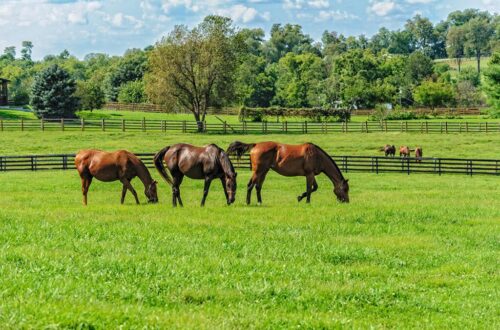
The horses themselves can provide a natural starting point for children’s curiosity. Families can discuss the different roles in racing, including breeding, training, veterinary care and the work involved in preparing horses for competition.
Where an event provides an authorised viewing area, parents can help children observe from a safe distance. A racecourse is a working sporting environment, however, and horses should never be approached or touched without explicit permission from an authorised handler.
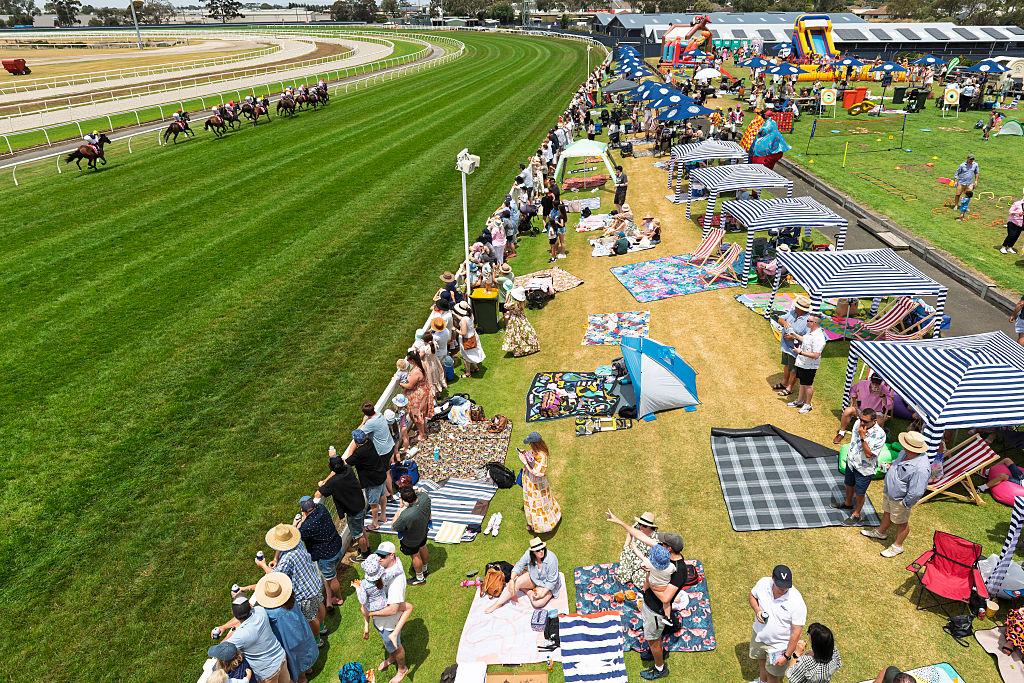
It is also a chance to discuss responsible animal care. Racehorses are athletes that require suitable nutrition, conditioning, veterinary attention and careful management. Respect for their welfare should be part of any family introduction to the sport.
Extend the Experience Beyond Race Day
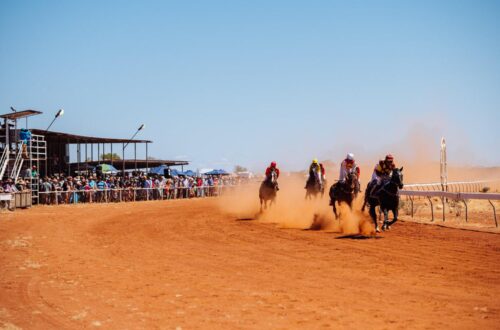
A racecourse visit can form one part of a longer trip. Families travelling to Melbourne, for instance, might combine a racing event with gardens, museums, playgrounds or other attractions. A country meeting can be paired with a scenic drive, a regional food stop or a visit to a nearby historic town.
Accommodation outside the busiest event areas may offer a quieter place to unwind after a busy day. Holiday parks can be worth considering for families who prefer cabins, camping or caravan travel.
Creating Memories That Last
A family-friendly race day is not necessarily the one with the biggest crowd or the most elaborate facilities. It is the one that gives everyone something to enjoy.
By choosing suitable events, planning for comfort and looking beyond the finish line, families can discover that horse racing is also about shared experiences, local culture and the simple pleasure of spending a day together.